

How to Avoid ACL Injury in Sports

Introduction
If you follow sports, you’ve seen it happen. A player plants, cuts, or lands awkwardly, then suddenly grabs their knee. Sometimes there’s no contact at all. That’s what makes ACL injuries so frustrating—they can happen in a split second and change an entire season.
So, how to avoid ACL injury?
If you’re trying to figure out how to avoid ACL injury, you need to understand that it’s not just about strength. It’s about control, movement, and how your body reacts under pressure. Many athletes search for how to avoid ACL injury but focus only on workouts, ignoring how they actually move in real situations.
The reality is simple: better movement leads to lower injury risk.
ACL injuries don’t just happen to professionals. They happen to everyday athletes, gym-goers, and even beginners. The reason is not bad luck. It’s usually poor mechanics, lack of control, or fatigue.
If you’re already training, combining this with a structured routine like your body weight plan for strength, balance, and results will help improve stability, coordination, and long-term joint health.
In this guide, you’ll learn:
- how to avoid ACL injury through better movement
- the most common mistakes athletes make
- the best ACL injury prevention exercises
- real-game scenarios where injuries happen
- and a routine you can actually follow
Why ACL Injuries Happen So Often in Sports
To fully understand how to avoid ACL injury, you first need to understand why it happens.
The ACL is responsible for stabilizing your knee during movements like:
- changing direction
- jumping and landing
- stopping suddenly
Sports like soccer, basketball, and football involve all of these movements, which is why they have higher injury rates.
Many ACL injuries are non-contact injuries. This means they happen without collision. Instead, they occur during normal movement patterns. This is explained in more detail in ACL injury symptoms and recovery.
Understanding how to prevent ACL tears in sports helps you see the connection between movement and injury.
Common causes include:
- poor landing technique
- weak muscles around the knee
- poor balance and coordination
- fatigue and slower reaction time
In most cases, ACL injuries don’t come from one mistake. They happen when multiple small problems come together.
For example, an athlete might:
- land slightly off balance
- fail to control their knee position
- react too late to stabilize
That combination creates stress on the ACL.
If you want to learn how to avoid ACL injury, you need to focus on fixing these small details.
The Movement Mistakes That Raise ACL Risk
Learning how to avoid ACL injury starts with identifying bad movement patterns.
If you want real knee injury prevention for athletes, follow proven ACL injury prevention tips and focus on how you move, not just how strong you are.
Knee valgus (knees collapsing inward)
This is one of the most common risk factors for ACL injuries.
It often happens when:
- landing from a jump
- changing direction quickly
- stopping suddenly
When the knee collapses inward, it puts direct pressure on the ACL.
Poor landing mechanics
If you’re serious about how to avoid ACL injury, this is one of the most important areas to improve.
Good landing:
- knees bent
- hips engaged
- knees aligned with toes
- controlled impact
Bad landing:
- stiff legs
- upright posture
- inward knee collapse
Proper landing mechanics are one of the key factors in how to avoid ACL injury.
Weak glutes and hamstrings
Your glutes and hamstrings play a major role in stabilizing the knee.
If these muscles are weak:
- your knee absorbs more force
- your movement becomes less stable
- your injury risk increases
Strengthening these muscles is one of the most effective ACL injury prevention exercises.
Poor deceleration control
Most athletes focus on speed but ignore stopping.
Learning how to slow down properly is just as important as sprinting. If you can’t control your body when stopping, your knee takes the load.
The Best Training Plan to Lower Your Risk
If you want to truly understand how to avoid ACL injury, your training must include more than just strength.
The best programs combine:
- strength
- balance
- coordination
- control
This approach aligns with expert-backed ways to prevent ACL injuries.
Strength training
Focus on exercises like:
- squats
- lunges
- glute bridges
- hamstring work
These are some of the best exercises to strengthen knees for sports and improve joint stability.
Strength gives your body the ability to handle force safely.
Plyometrics (jump training)
Jump training is essential, but only when done correctly.
Focus on:
- soft landings
- controlled movements
- proper alignment
Avoid:
- uncontrolled jumping
- focusing only on height
Balance and stability
Balance training improves coordination and reaction time.
It is widely used in knee injury prevention exercises and helps athletes stay stable during unpredictable movements.
Examples include:
- single-leg balance
- stability holds
- controlled reach drills
How to Avoid ACL Injury During Games and Practice
Knowing how to avoid ACL injury in training is one thing, but applying it during real situations is what matters most.
Warm up properly
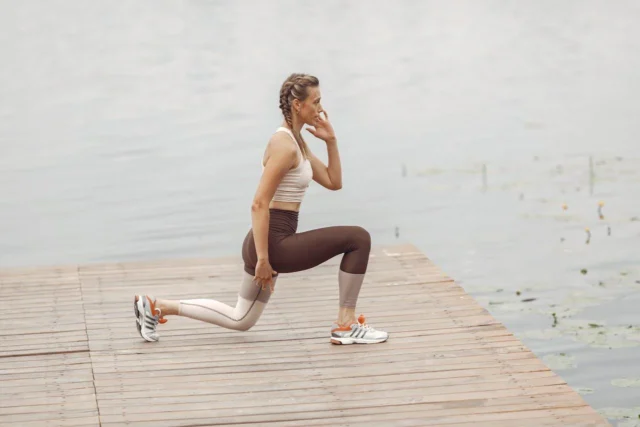
A proper warm-up routine based on sports injury prevention research prepares your body for movement.
Include:
- dynamic stretching
- activation exercises
- movement drills
Control cutting and pivoting
If you’re trying to understand how to avoid ACL injury in sports like soccer or basketball, focus on movement control.
Key points:
- stay low
- control direction changes
- avoid sudden uncontrolled movements
Manage fatigue
Fatigue is one of the biggest hidden risk factors.
When you’re tired:
- your reaction time slows
- your form breaks down
- your control decreases
This is when most injuries happen.
Real-Game Situations Where ACL Injuries Happen
Understanding real situations helps you apply what you learn.
Landing after a jump
This often happens in basketball or volleyball when landing off balance.
Cutting quickly
Fast direction changes increase risk if movement is not controlled.
Sudden stops
Stopping without proper technique puts stress on the knee.
Late reactions
Unplanned movements lead to poor positioning and higher injury risk.
If you want to fully understand how to avoid ACL injury, focus on these situations.
A Simple Weekly ACL Prevention Routine
If you want a simple way to apply how to avoid ACL injury, follow this routine 2–3 times per week:
Warm-up
- jogging
- lunges
- leg swings
Strength
- squats
- lunges
- glute bridges
- hamstring exercises
Control and balance
- single-leg balance
- lateral drills
- controlled stops
This routine combines the most effective ACL injury prevention exercises into one plan.
Common Mistakes Amateur Athletes Make
Many athletes increase their injury risk without realizing it.
Common mistakes include:
- skipping warm-ups
- focusing only on strength
- ignoring balance training
- playing through fatigue
- not practicing landing mechanics
Fixing these mistakes is one of the fastest ways to reduce your risk.
Quick Takeaways
- how to avoid ACL injury starts with movement
- many injuries are non-contact
- strength alone is not enough
- control and balance are essential
- consistency matters
FAQs
What is the best way to avoid ACL injury?
A combination of strength, balance, and proper movement.
How to avoid ACL injury in soccer?
Focus on controlled cutting, landing, and positioning.
Are exercises enough?
No. Technique is just as important.
Can beginners reduce ACL injury risk?
Yes, even basic training helps.
How often should I train?
2–3 times per week is enough.
Conclusion
If you want to truly understand how to avoid ACL injury, keep things simple.
Focus on:
- movement quality
- strength
- control
- consistency
Most ACL injuries happen when your body loses control in fast situations.
Train for those moments, stay consistent, and your risk will drop significantly.
